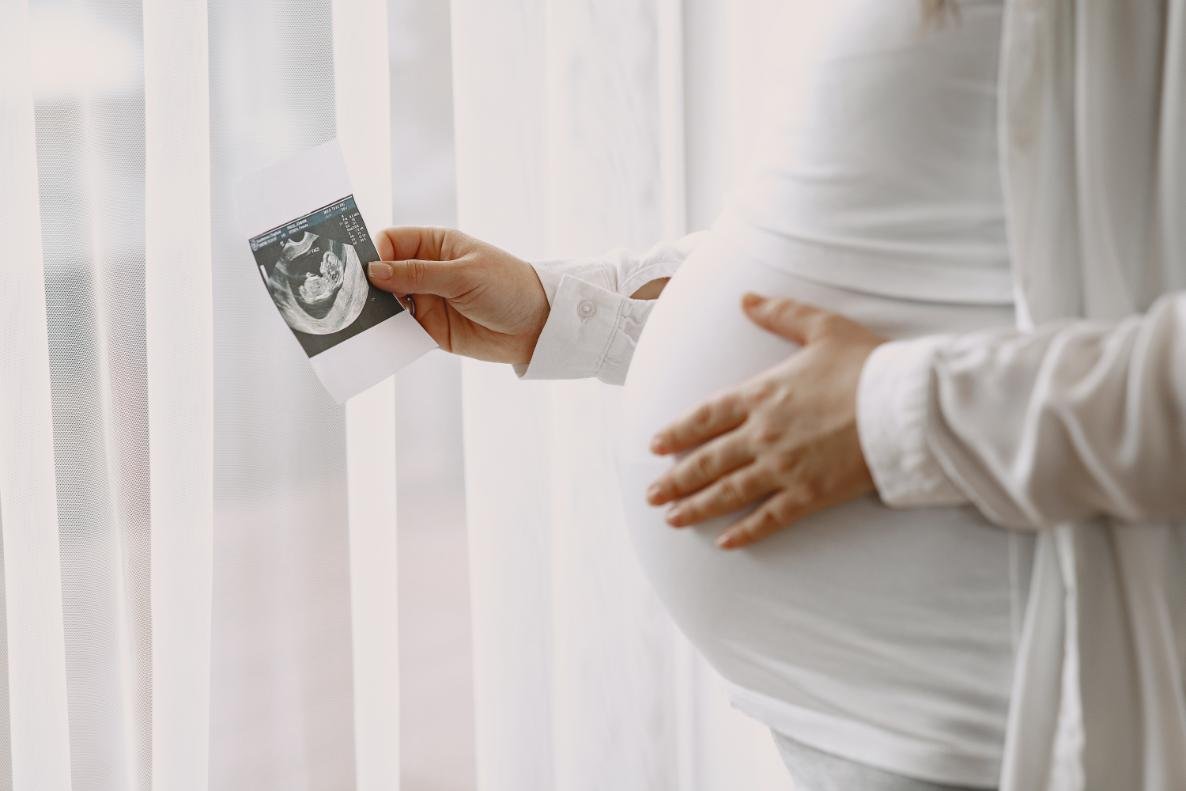


Pregnancy is a life-changing journey filled with excitement and anticipation. While most pregnancies progress normally with regular prenatal care, some require additional monitoring because of an increased risk of complications. These are known as high-risk pregnancies.
A high-risk pregnancy does not necessarily mean that serious complications will occur. Instead, it indicates that the mother, the baby, or both need closer medical supervision to ensure the healthiest possible outcome. Early diagnosis, regular prenatal check-ups, and timely medical intervention can significantly reduce risks and improve maternal and fetal health.
One of the most important aspects of managing a high-risk pregnancy is recognizing the warning signs that require immediate medical attention. Symptoms such as severe bleeding, persistent headaches, reduced fetal movement, or sudden swelling should never be ignored, as prompt treatment can prevent serious complications.
In this guide, we’ll explain what a high-risk pregnancy is, who is at greater risk, the warning signs to watch for, available treatment options, and how specialized maternity care can help ensure a safer pregnancy.
A high-risk pregnancy is one in which the mother, baby, or both have a greater chance of developing health complications during pregnancy, labor, or delivery. Warning signs that require immediate medical attention include heavy vaginal bleeding, severe abdominal pain, persistent headaches, blurred vision, leaking amniotic fluid, reduced fetal movement, difficulty breathing, high fever, and signs of preterm labor. Early medical evaluation can help protect both mother and baby.
What Is a High-Risk Pregnancy?
A pregnancy is considered high-risk when certain medical conditions, pregnancy-related complications, or lifestyle factors increase the likelihood of health problems for the mother or baby. These pregnancies require more frequent prenatal visits, additional diagnostic tests, and closer monitoring throughout each stage of pregnancy.
High-risk pregnancies may be identified before conception due to existing medical conditions, or they may develop unexpectedly as pregnancy progresses. Conditions such as gestational diabetes, high blood pressure, or placental abnormalities often require specialized obstetric care to reduce the risk of complications.
Being classified as high-risk should not cause unnecessary anxiety. Advances in maternal healthcare have made it possible for many women with high-risk pregnancies to deliver healthy babies with proper medical guidance.
What Causes a Pregnancy to Become High-Risk?
Several factors can increase the chances of pregnancy complications. Sometimes a woman already has an underlying medical condition before becoming pregnant, while in other cases complications develop during pregnancy itself.
Maternal age plays an important role. Women younger than 17 or older than 35 generally require closer monitoring because they have a higher likelihood of complications such as gestational diabetes, hypertension, or chromosomal abnormalities.
Pre-existing medical conditions including diabetes, thyroid disorders, heart disease, kidney disease, epilepsy, autoimmune disorders, and chronic hypertension can also increase pregnancy risks.
Pregnancy-related complications such as preeclampsia, gestational diabetes, placenta previa, placental abruption, cervical insufficiency, and abnormal amniotic fluid levels may develop even in women who were healthy before pregnancy.
Lifestyle factors also contribute significantly. Smoking, alcohol consumption, substance abuse, obesity, poor nutrition, and inadequate prenatal care increase the likelihood of complications affecting both mother and baby.
Women carrying twins or higher-order multiples require additional monitoring because multiple pregnancies are associated with a greater risk of premature birth and low birth weight.
Common Risk Factors for High-Risk Pregnancy
Certain women are more likely to experience pregnancy complications than others. Understanding these risk factors helps healthcare providers plan appropriate prenatal care from the beginning.
You may be considered at higher risk if you:
- Are younger than 17 or older than 35 years.
- Have diabetes, hypertension, thyroid disease, or heart disease.
- Are pregnant with twins or multiple babies.
- Have experienced previous miscarriages or preterm births.
- Have undergone previous uterine surgery or multiple cesarean deliveries.
- Have obesity or severe underweight.
- Smoke, consume alcohol, or use recreational drugs.
- Develop pregnancy-related conditions such as gestational diabetes or preeclampsia.
Having one or more risk factors does not automatically mean complications will occur. It simply means you may benefit from more frequent prenatal monitoring.
Warning Signs That Need Immediate Medical Attention
Knowing when to seek emergency care can make a significant difference in pregnancy outcomes. Although some discomfort is normal during pregnancy, certain symptoms should never be ignored.
Heavy Vaginal Bleeding
While light spotting may occur during early pregnancy, heavy bleeding at any stage requires immediate evaluation. It may indicate miscarriage, placental abruption, placenta previa, or other serious conditions that require urgent medical care.
Severe Abdominal Pain
Persistent or intense abdominal pain is not considered a normal part of pregnancy. It may result from placental complications, preterm labor, or other emergencies. Pain that is severe, worsening, or accompanied by bleeding should be evaluated without delay.
Persistent Severe Headache
Headaches are common during pregnancy, but a severe headache that does not improve with rest or hydration may indicate dangerously high blood pressure or preeclampsia. When associated with blurred vision or swelling, it requires immediate medical attention.
Blurred Vision or Vision Changes
Sudden vision changes such as blurred vision, flashing lights, double vision, or temporary vision loss may be early signs of severe preeclampsia. These symptoms should never be ignored because untreated preeclampsia can threaten both maternal and fetal health.
Sudden Swelling of the Face or Hands
Mild swelling in the feet is common during pregnancy, especially later in gestation. However, sudden swelling of the face, hands, or around the eyes may signal preeclampsia and requires prompt medical assessment.
Reduced or Absent Baby Movements
As pregnancy progresses, mothers become familiar with their baby’s movement patterns. A noticeable reduction in fetal movement or the complete absence of movement should be reported immediately, as it may indicate fetal distress.
Leaking Fluid From the Vagina
A sudden gush or continuous trickle of clear fluid may indicate that the membranes have ruptured. If this occurs before 37 weeks, it may signal preterm premature rupture of membranes (PPROM), increasing the risk of infection and premature delivery.
Regular Contractions Before 37 Weeks
Painful contractions occurring before full-term pregnancy may indicate preterm labor. Early treatment may help delay delivery and improve outcomes for the baby.
High Fever
A temperature above 100.4°F (38°C), particularly when accompanied by chills or body aches, may indicate a serious infection that requires immediate treatment during pregnancy.
Difficulty Breathing
Although mild breathlessness is common as pregnancy progresses, sudden or severe shortness of breath, chest pain, or fainting requires emergency medical evaluation because it may indicate a blood clot, heart condition, or severe anemia.
Symptoms of Preeclampsia That Should Never Be Ignored
Preeclampsia is one of the leading causes of pregnancy-related complications worldwide. It typically develops after the 20th week of pregnancy and is characterized by high blood pressure and damage to organs such as the kidneys or liver.
Common symptoms include:
- Persistent severe headache
- Blurred vision
- Sudden swelling of the face or hands
- Upper abdominal pain
- High blood pressure
- Nausea or vomiting after mid-pregnancy
- Difficulty breathing
- Reduced urine output
Without prompt treatment, preeclampsia can progress rapidly and may lead to seizures, stroke, premature birth, or placental complications.
How Doctors Diagnose a High-Risk Pregnancy
Diagnosing a high-risk pregnancy begins with a comprehensive evaluation of the mother’s medical history, previous pregnancies, and overall health.
During routine prenatal visits, doctors monitor blood pressure, weight gain, fetal growth, and maternal well-being. Blood and urine tests help identify conditions such as gestational diabetes, anemia, kidney disease, infections, and preeclampsia.
Ultrasound examinations play a crucial role in assessing fetal growth, placental position, amniotic fluid levels, and structural development. Depending on the pregnancy, additional monitoring such as non-stress tests (NST), biophysical profiles (BPP), Doppler studies, or genetic screening may be recommended.
Regular monitoring allows healthcare providers to detect complications early and adjust treatment plans accordingly.
How Is a High-Risk Pregnancy Treated?
Treatment depends on the specific condition affecting the mother or baby. Every pregnancy is unique, and management plans are individualized based on the severity of the risk.
Women with high-risk pregnancies often require more frequent prenatal appointments, additional ultrasounds, blood pressure monitoring, and laboratory investigations. Medical conditions such as diabetes or hypertension are carefully managed through medication, dietary changes, and lifestyle modifications.
In some situations, hospitalization may be necessary for close observation. If continuing the pregnancy becomes unsafe for the mother or baby, doctors may recommend early delivery after carefully evaluating the benefits and risks.
Throughout treatment, the primary goal is to protect the health of both mother and child while ensuring the safest possible delivery.
Can High-Risk Pregnancy Complications Be Prevented?
Although not every complication can be prevented, many risks can be reduced through proper prenatal care and healthy lifestyle choices.
Regular prenatal visits allow doctors to identify concerns before they become serious. Maintaining a nutritious diet, staying physically active as advised by your doctor, taking prenatal vitamins, avoiding tobacco and alcohol, and managing chronic medical conditions all contribute to a healthier pregnancy.
Women planning pregnancy should ideally undergo a preconception consultation, especially if they have existing medical conditions or a history of pregnancy complications.
When Should You Go to the Hospital Immediately?
Pregnant women should never delay seeking medical care if they experience symptoms that may indicate an emergency.
Seek immediate medical attention if you notice:
- Heavy vaginal bleeding.
- Severe abdominal pain.
- Sudden swelling of the face or hands.
- Persistent severe headache.
- Vision disturbances.
- Reduced fetal movement.
- Water breaking before labor begins.
- High fever.
- Difficulty breathing.
- Convulsions or loss of consciousness.
Even if you’re unsure whether a symptom is serious, it is always safer to consult your obstetrician promptly.
Why Choose KJK Hospital for High-Risk Pregnancy Care?
Managing a high-risk pregnancy requires experienced specialists, advanced diagnostic facilities, and compassionate support throughout every stage of pregnancy.
At KJK Hospital, our obstetricians provide comprehensive maternal and fetal care tailored to each patient’s individual needs. From early pregnancy assessments and advanced fetal monitoring to emergency obstetric services and neonatal support, our multidisciplinary team focuses on achieving the best possible outcomes for both mother and baby.
With modern diagnostic technology, personalized treatment plans, and continuous prenatal monitoring, KJK Hospital is committed to helping families navigate even the most complex pregnancies with confidence and expert care.
Frequently Asked Questions
What is considered a high-risk pregnancy?
A pregnancy is considered high-risk when medical conditions, maternal age, multiple pregnancies, or pregnancy-related complications increase the likelihood of health risks for the mother or baby. These pregnancies require closer monitoring and specialized medical care.
Can a woman with a high-risk pregnancy have a normal delivery?
Yes. Many women with high-risk pregnancies can have a vaginal delivery if there are no complications that require a cesarean section. The mode of delivery depends on the mother’s condition, the baby’s health, and the obstetrician’s assessment.
What is the most common complication in a high-risk pregnancy?
Common complications include gestational diabetes, preeclampsia, preterm labor, fetal growth restriction, and placental abnormalities. Early diagnosis and regular prenatal care can help manage these conditions effectively.
How often should high-risk pregnancies be monitored?
The frequency of prenatal visits depends on the mother’s condition and the baby’s development. Some women may require weekly or even more frequent monitoring during the later stages of pregnancy.
Can stress cause a high-risk pregnancy?
Stress alone does not usually cause a high-risk pregnancy, but chronic stress may affect overall maternal health and contribute to poor sleep, elevated blood pressure, or unhealthy lifestyle habits. Managing stress through adequate rest, emotional support, and medical guidance is important during pregnancy.
When should I seek emergency medical attention during pregnancy?
You should seek immediate medical care if you experience heavy bleeding, severe abdominal pain, sudden swelling, severe headaches, vision changes, leaking amniotic fluid, reduced fetal movements, high fever, difficulty breathing, or signs of preterm labor.
Conclusion
A high-risk pregnancy requires extra care, but it does not mean you cannot have a healthy pregnancy and delivery. The key lies in early diagnosis, consistent prenatal care, and recognizing warning signs before they become medical emergencies.
Symptoms such as heavy bleeding, severe abdominal pain, persistent headaches, reduced fetal movement, leaking amniotic fluid, or sudden swelling should always be evaluated promptly. Timely medical intervention can help prevent serious complications and improve outcomes for both mother and baby. At KJK Hospital, our experienced gynecologists provide personalized, evidence-based care for women with high-risk pregnancies. From advanced prenatal monitoring to emergency obstetric services, we are committed to supporting you throughout your pregnancy journey with expertise, compassion, and comprehensive care.