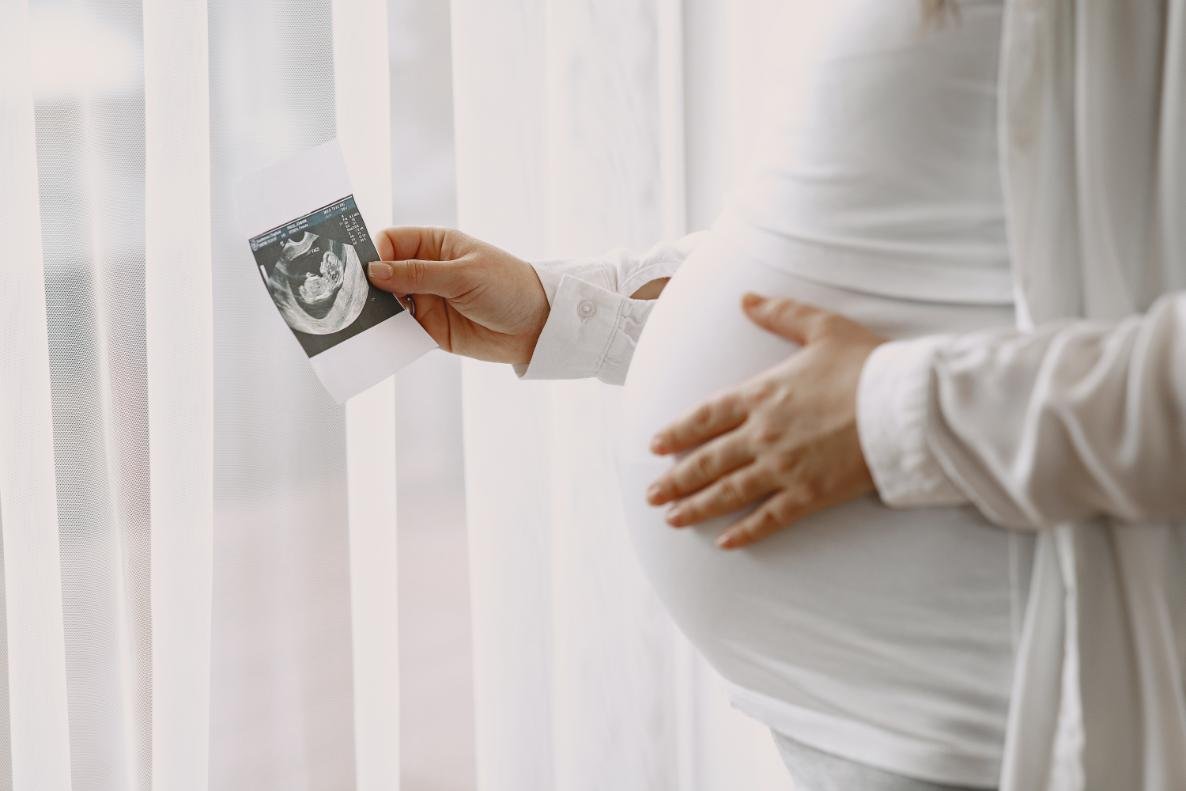


For many women, being diagnosed with Polycystic Ovary Syndrome (PCOS) brings a wave of questions, especially when planning for pregnancy. One of the most common concerns is, “Can I get pregnant with PCOS?” The answer is yes, many women with PCOS can and do have healthy pregnancies with the right medical support and lifestyle management.
PCOS is one of the leading causes of female infertility, but it does not mean pregnancy is impossible. Early diagnosis, proper treatment, and expert fertility guidance can significantly improve the chances of conception.
At KJK Hospital, our fertility specialists help women manage PCOS effectively and support them throughout their pregnancy journey with personalized care and advanced fertility treatments.
What is PCOS?
Polycystic Ovary Syndrome (PCOS) is a common hormonal disorder that affects women of reproductive age. It occurs when the ovaries produce higher-than-normal levels of male hormones called androgens, which can interfere with the normal release of eggs during ovulation.
Women with PCOS may develop multiple small cysts on their ovaries, irregular menstrual cycles, and hormonal imbalances that make conception more challenging.
PCOS can affect both fertility and overall reproductive health, but with proper treatment, successful pregnancy is absolutely possible.
Common Symptoms of PCOS
PCOS symptoms can vary from person to person, but common signs include:
- Irregular or missed periods
- Difficulty getting pregnant
- Excess facial or body hair
- Acne or oily skin
- Weight gain or difficulty losing weight
- Hair thinning or hair loss
- Dark patches of skin
- Multiple small cysts in the ovaries
If you experience these symptoms, consulting a fertility specialist early can help prevent long-term complications.
How Does PCOS Affect Pregnancy?
The main reason PCOS affects pregnancy is because it disrupts ovulation. Ovulation is the process where the ovary releases an egg for fertilization. Without regular ovulation, it becomes difficult to conceive naturally.
1. Irregular Ovulation
Many women with PCOS ovulate irregularly or may not ovulate at all. This is one of the biggest reasons for infertility associated with PCOS.
2. Hormonal Imbalance
High androgen levels and insulin resistance can interfere with the normal hormonal cycle required for pregnancy.
3. Poor Egg Quality
In some cases, hormonal imbalance may affect egg quality, reducing the chances of successful fertilization.
4. Increased Risk During Pregnancy
Even after conception, women with PCOS may have a slightly higher risk of:
- Miscarriage
- Gestational diabetes
- High blood pressure
- Preterm birth
- Pregnancy complications
Proper monitoring during pregnancy helps reduce these risks.
Can You Get Pregnant Naturally with PCOS?
Yes, many women with mild to moderate PCOS can conceive naturally, especially with lifestyle improvements and medical management.
Weight loss, healthy eating, regular exercise, and stress management can restore ovulation in many cases. Even a small weight reduction of 5 to 10 percent can significantly improve fertility.
However, if pregnancy does not happen naturally, fertility treatments can provide highly effective solutions.
Treatment Options to Improve Pregnancy Chances with PCOS
Treatment depends on the severity of symptoms, age, and fertility goals. At KJK Hospital, treatment plans are customized for each patient.
1. Lifestyle Changes
Lifestyle management is often the first step in treating PCOS.
Healthy Diet
A balanced diet with controlled carbohydrates helps improve insulin sensitivity and hormone balance.
Regular Exercise
Physical activity helps regulate weight, reduce insulin resistance, and support ovulation.
Weight Management
Achieving a healthy body weight improves reproductive function and increases the chances of conception.
2. Ovulation Induction Medicines
Doctors may prescribe medications to stimulate ovulation and improve pregnancy chances.
Common fertility medicines include:
- Letrozole
- Clomiphene citrate
- Metformin
These medications are carefully monitored to improve treatment success.
3. Hormonal Treatment
Hormonal therapies may be used to regulate menstrual cycles before attempting pregnancy.
4. IUI (Intrauterine Insemination)
If ovulation induction alone is not successful, IUI may be recommended to improve the chances of fertilization.
5. IVF (In Vitro Fertilization)
For women with severe PCOS or additional fertility concerns, IVF can offer a highly successful option.
IVF allows specialists to retrieve eggs, fertilize them in the laboratory, and transfer healthy embryos into the uterus.
In some cases, IVF with advanced embryo screening may improve pregnancy outcomes.
Tests Recommended for Women with PCOS
Before planning pregnancy, doctors may recommend a full fertility evaluation.
Blood Tests
These help check:
- Hormone levels
- Thyroid function
- Blood sugar levels
- Insulin resistance
- AMH (ovarian reserve)
Ultrasound Scan
Pelvic ultrasound helps assess ovarian cysts and monitor follicle development.
Ovulation Tracking
Doctors may monitor ovulation patterns to identify the best time for conception.
Partner Fertility Evaluation
Fertility is a couple-based concern, so male fertility testing may also be advised.
Tips for a Healthy Pregnancy with PCOS
If you are trying to conceive with PCOS, these simple steps can make a big difference:
- Maintain a healthy body weight
- Follow a fertility-friendly diet
- Exercise regularly
- Avoid smoking and alcohol
- Manage stress effectively
- Follow medication schedules properly
- Attend regular fertility check-ups
Early intervention improves both conception success and pregnancy safety.
When Should You See a Fertility Specialist?
You should consult a specialist if:
- You have irregular periods
- You have been trying to conceive for more than 6 to 12 months
- You are above 35 and planning pregnancy
- You have repeated miscarriages
- You have already been diagnosed with PCOS
- You are facing unexplained infertility
The sooner you seek medical advice, the better your treatment options and outcomes.
Why Choose KJK Hospital for PCOS and Fertility Care?
At KJK Hospital, we provide comprehensive fertility care with advanced diagnostic support and personalized treatment plans for women with PCOS.
Our expert team offers:
- Complete PCOS evaluation
- Ovulation monitoring
- Fertility treatments including IUI and IVF
- Hormonal management
- High-risk pregnancy support
- Compassionate counseling and long-term care
We focus on helping women achieve healthy pregnancies safely and confidently.
Final Thoughts
PCOS can make pregnancy more challenging, but it does not mean motherhood is out of reach. With the right diagnosis, lifestyle changes, and expert fertility support, many women with PCOS successfully conceive and deliver healthy babies.
If you are trying to get pregnant with PCOS, do not wait too long to seek help. Early treatment can make a major difference in your fertility journey.
At KJK Hospital, we are here to support you every step of the way with expert care, advanced fertility solutions, and compassionate guidance.