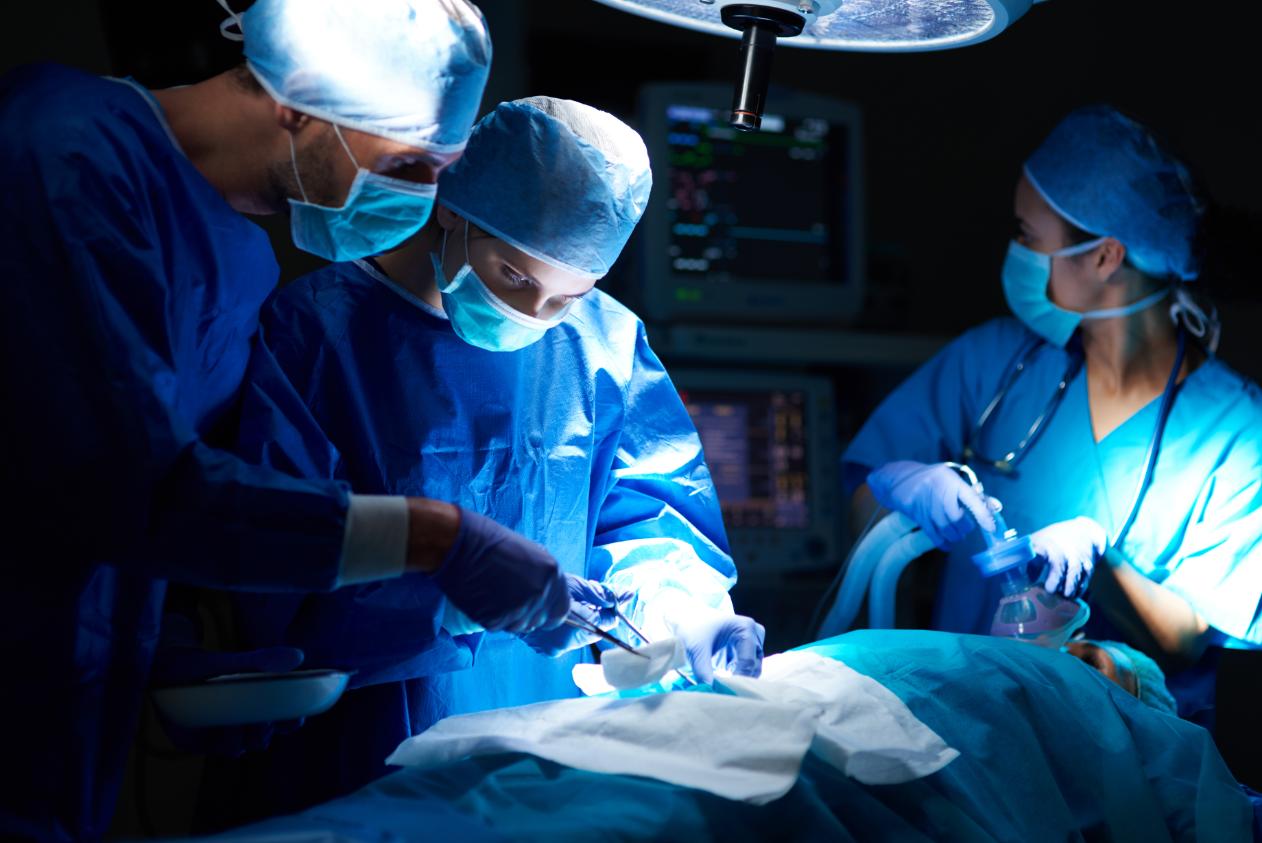

Infertility can be emotionally exhausting for couples trying to conceive. When pregnancy does not happen despite regular attempts, doctors may suggest several diagnostic tests to identify the cause. One common recommendation that often raises concern is laparoscopy. Many patients ask, “Is laparoscopy really necessary for infertility?”
The answer depends on individual medical history, symptoms, and previous test results. Let us understand when laparoscopy is needed, how it helps, and whether it is essential in every infertility case.
Understanding Laparoscopy in Fertility Treatment
Laparoscopy is a minimally invasive surgical procedure used to examine the pelvic organs. A small incision is made in the abdomen, and a thin instrument with a camera, called a laparoscope, is inserted to view the uterus, ovaries, fallopian tubes, and surrounding structures.
Unlike ultrasound or blood tests, laparoscopy allows direct visualization of internal organs. In some cases, treatment can also be done during the same procedure.
It is typically performed under general anesthesia and patients usually recover within a few days.
Is Laparoscopy Required for Every Infertility Case?
No. Laparoscopy is not necessary for all infertility patients.
In many cases, infertility can be diagnosed through:
- Hormonal blood tests
- Ovulation tracking
- Semen analysis
- Ultrasound scanning
- Hysterosalpingography (HSG) to check fallopian tube patency
If these initial tests clearly identify the cause, laparoscopy may not be required. For example, if infertility is due to male factor issues or ovulation disorders that respond well to medication, surgical evaluation may not be needed.
However, laparoscopy becomes important when the cause remains unexplained or when specific conditions are suspected.
When Do Doctors Recommend Laparoscopy for Infertility?
Laparoscopy may be recommended in the following situations:
1. Suspected Endometriosis
Endometriosis is a common cause of infertility where tissue similar to the uterine lining grows outside the uterus. Mild cases may not be visible on ultrasound. Laparoscopy is considered the gold standard for diagnosing and treating endometriosis.
Also Read: Laparoscopy and Endometriosis
2. Blocked or Damaged Fallopian Tubes
If HSG suggests tubal blockage, laparoscopy can confirm the diagnosis and sometimes correct the issue during the same procedure.
3. Pelvic Adhesions
Previous surgeries, infections, or tuberculosis can cause scar tissue inside the pelvis. Laparoscopy helps identify and remove these adhesions, improving fertility chances.
4. Unexplained Infertility
When all basic tests appear normal but pregnancy still does not occur, laparoscopy may reveal hidden conditions that are not detectable through routine investigations.
5. Chronic Pelvic Pain
If infertility is associated with pelvic pain, painful periods, or painful intercourse, laparoscopy may help identify underlying causes.
Benefits of Laparoscopy in Infertility
Laparoscopy is not just a diagnostic tool. It also offers therapeutic benefits.
- Accurate diagnosis of hidden pelvic conditions
- Simultaneous treatment of endometriosis, cysts, or adhesions
- Short hospital stay and quicker recovery compared to open surgery
- Minimal scarring
For selected patients, correcting certain conditions through laparoscopy may increase the chances of natural conception.
Risks and Considerations
Although laparoscopy is generally safe, it is still a surgical procedure and involves certain risks, such as:
- Bleeding
- Infection
- Reaction to anesthesia
- Rare injury to surrounding organs
Therefore, it should not be advised routinely for every infertility patient. The decision must be individualized after careful clinical evaluation.
Can You Conceive Without Laparoscopy?
Yes, many couples conceive without undergoing laparoscopy.
Modern fertility treatments such as ovulation induction, intrauterine insemination (IUI), and in vitro fertilization (IVF) often help patients achieve pregnancy without surgical intervention.
In fact, with advancements in assisted reproductive techniques, the role of diagnostic laparoscopy has become more selective rather than routine.
What Do Fertility Specialists Recommend?
Experienced fertility specialists follow a step-by-step approach. Initial non-invasive investigations are performed first. Laparoscopy is considered only when:
- There is strong clinical suspicion of pelvic pathology
- Previous treatments have failed
- Imaging results are inconclusive
- Surgical correction may improve fertility outcomes
The goal is always to choose the safest and most effective treatment pathway tailored to the patient.
How to Decide if Laparoscopy Is Right for You
If you are struggling with infertility, discuss the following with your doctor:
- Duration of infertility
- Previous test results
- Symptoms like pelvic pain or irregular cycles
- Past history of infections or surgeries
- Age and overall reproductive health
A thorough consultation with a qualified infertility specialist will help determine whether laparoscopy is necessary in your case.
Expert Fertility Care at KJK Hospital
At KJK Hospital, infertility evaluation is carried out using evidence-based protocols guided by experienced fertility specialists. The team carefully assesses each patient’s condition before recommending advanced procedures like laparoscopy.
The hospital prioritizes patient safety, transparency, and personalized treatment plans. Laparoscopy is advised only when medically indicated and when it can significantly improve fertility outcomes.
If you have concerns about infertility or have been advised to undergo laparoscopy, consult the specialists at KJK Hospital for a comprehensive evaluation and clear guidance.
Conclusion
Laparoscopy is not mandatory for every infertility case. It is a valuable tool in selected situations, especially when hidden pelvic conditions are suspected. The decision should always be individualized, based on clinical findings and expert evaluation.
If you are unsure whether laparoscopy is necessary for your infertility treatment, seeking expert medical advice is the best next step.