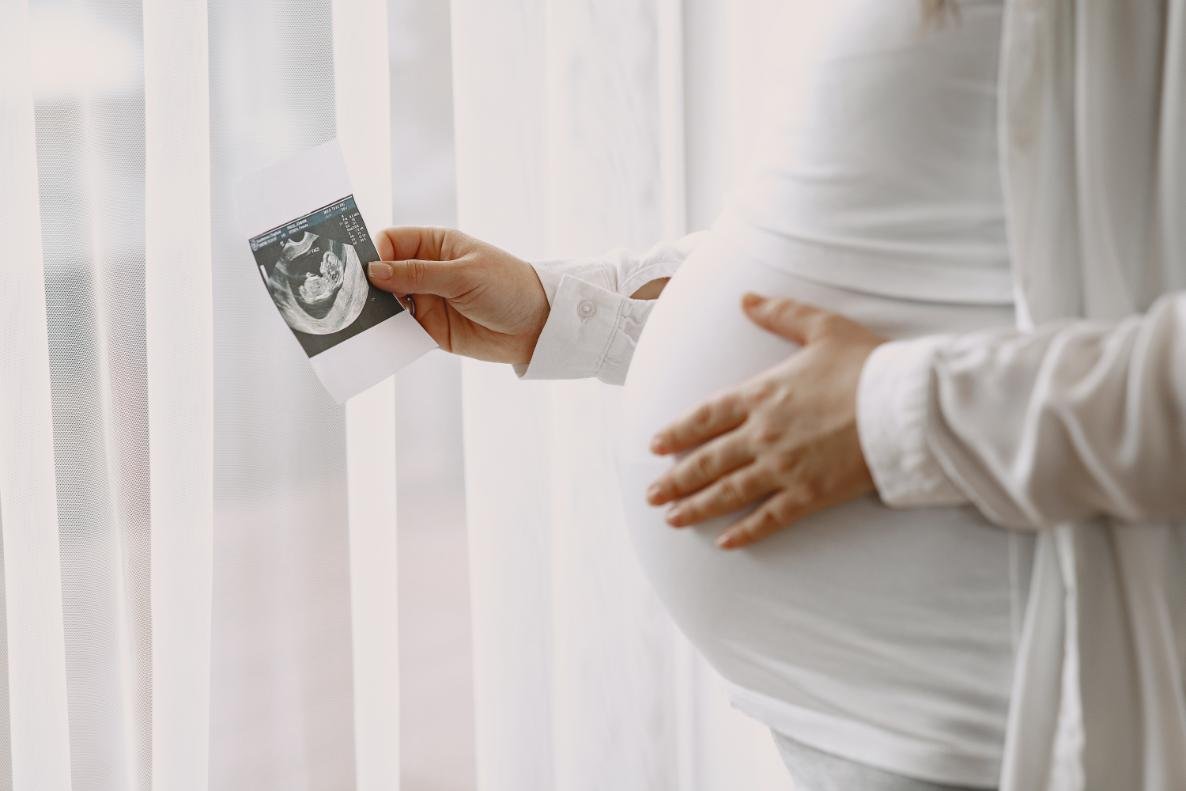


Embarking on an IVF journey is both emotionally and physically significant. The period after embryo transfer is especially crucial, as it plays a key role in determining the success of the treatment. While advanced medical techniques contribute greatly to outcomes, your actions and lifestyle choices during this phase can also influence implantation and early pregnancy.
In this guide, we outline essential precautions and best practices to help maximize your IVF success after embryo transfer.
Understanding the Post-Transfer Phase
After the embryo is transferred into the uterus, the next few days are critical. This is when the embryo attaches itself to the uterine lining a process known as implantation. Although this happens naturally without conscious effort, certain precautions can help create an optimal environment for implantation.
1. Prioritize Rest, But Avoid Complete Bed Rest
Why Rest Matters
Your body has just undergone a delicate procedure, and adequate rest supports recovery and hormonal balance. However, contrary to common belief, strict bed rest is not necessary.
What You Should Do
- Take it easy for the first 24–48 hours
- Engage in light activities like walking around the house
- Avoid strenuous exercise, heavy lifting, or intense physical effort
Moderate movement actually promotes blood circulation, which is beneficial for implantation.
2. Follow Medication Instructions Carefully
Importance of Hormonal Support
After embryo transfer, doctors prescribe medications typically progesterone to support the uterine lining and help maintain early pregnancy.
Best Practices
- Take medications exactly as prescribed
- Do not skip doses or change timing
- Consult your doctor before taking any additional medicines or supplements
Even seemingly harmless over-the-counter drugs can interfere with your treatment.
3. Maintain a Healthy and Balanced Diet
Nutrition and Implantation
A well-balanced diet supports hormonal stability and overall reproductive health.
Recommended Foods
- Protein-rich foods like eggs, dairy, and legumes
- Fresh fruits and vegetables for vitamins and antioxidants
- Whole grains for sustained energy
- Plenty of fluids to stay hydrated
Foods to Limit or Avoid
- Caffeine (limit intake)
- Processed and junk foods
- Alcohol and smoking (strictly avoid)
Proper nutrition helps your body provide the ideal environment for embryo growth.
4. Manage Stress and Emotional Well-being
The Mind-Body Connection
Stress and anxiety can affect hormonal balance, potentially impacting implantation.
Tips to Stay Calm
- Practice relaxation techniques like deep breathing or meditation
- Engage in light reading or calming activities
- Avoid overthinking or obsessively symptom-checking
Talking to a counselor or joining a support group can also help you cope with emotional challenges during this waiting period.
5. Avoid Heat Exposure
Why It Matters
Excessive heat can negatively impact implantation and early pregnancy.
Precautions
- Avoid hot baths, saunas, and steam rooms
- Limit exposure to high temperatures
- Opt for lukewarm showers instead
Keeping your body temperature stable is important during this sensitive phase.
6. Refrain from Sexual Intercourse (If Advised)
Medical Guidance
Many fertility specialists recommend avoiding intercourse for a short period after embryo transfer to prevent uterine contractions.
What to Do
- Follow your doctor’s specific advice
- Resume normal activity only when medically cleared
Each case is different, so personalized guidance is essential.
7. Stay Hydrated
Role of Hydration
Drinking enough water supports blood flow and overall bodily functions, which are vital during early pregnancy stages.
Tips
- Aim for 2–3 liters of water daily
- Include fluids like coconut water and fresh juices
- Avoid sugary or caffeinated beverages
Proper hydration helps maintain optimal uterine conditions.
8. Avoid Heavy Travel and Physical Strain
Travel Considerations
While short-distance travel is generally safe, long or exhausting journeys should be avoided immediately after embryo transfer.
Recommendations
- Avoid bumpy or prolonged travel
- Postpone long trips if possible
- If travel is unavoidable, consult your doctor beforehand
Reducing physical strain helps minimize unnecessary stress on your body.
9. Watch for Symptoms, But Don’t Overanalyze
What You Might Experience
Some women notice mild symptoms such as:
- Light spotting
- Mild cramping
- Breast tenderness
These can be normal and do not necessarily indicate success or failure.
When to Seek Medical Advice
- Severe pain
- Heavy bleeding
- Unusual discomfort
It’s important to stay informed but avoid jumping to conclusions based on minor symptoms.
10. Be Patient During the Two-Week Wait
The Waiting Period
The time between embryo transfer and pregnancy testing can feel long and emotionally taxing.
How to Cope
- Avoid taking early home pregnancy tests
- Follow your doctor’s timeline for testing
- Stay engaged in positive and relaxing activities
Early testing can lead to inaccurate results and unnecessary stress.
11. Avoid Smoking and Alcohol Completely
Impact on IVF Success
Smoking and alcohol can significantly reduce implantation chances and harm early embryo development.
Key Advice
- Eliminate both completely during and after IVF treatment
- Avoid secondhand smoke as well
A healthy lifestyle greatly improves your chances of success.
12. Wear Comfortable Clothing
Why It Helps
Tight clothing can cause discomfort and restrict circulation around the abdominal area.
Best Choice
- Opt for loose, breathable fabrics
- Choose comfort over style during this phase
Small adjustments can contribute to overall physical ease.
Why Choose KJK Hospital for Your IVF Journey
At KJK Hospital, we understand that IVF is more than just a medical procedure—it’s a deeply personal journey filled with hope and emotion. Our team of experienced fertility specialists is committed to providing compassionate, personalized care at every stage, including the critical post-embryo transfer phase.
Expert Care You Can Trust
Our specialists use advanced reproductive technologies combined with evidence-based practices to ensure the highest standards of care. From precise embryo transfer techniques to detailed post-procedure guidance, every step is designed to maximize your chances of success.
Personalized Support Throughout
No two patients are the same. That’s why we tailor treatment plans and aftercare instructions based on your unique medical needs. Our team remains accessible to answer your questions, monitor your progress, and provide reassurance during the waiting period.
State-of-the-Art Facilities
KJK Hospital is equipped with modern IVF laboratories and cutting-edge technology that support optimal embryo development and implantation outcomes. Our commitment to quality and safety ensures that you receive world-class fertility care close to home.
Compassionate Approach
We believe emotional well-being is just as important as physical health. Our supportive environment helps reduce stress and empowers you with the confidence needed during your fertility journey.
Conclusion
The days following embryo transfer are filled with hope, anticipation, and sometimes anxiety. While many aspects of IVF success are beyond control, following these essential precautions can significantly improve your chances of a positive outcome.
Remember, every IVF journey is unique. Always follow the personalized advice of your fertility specialist, and don’t hesitate to reach out with concerns or questions. With the right care, patience, and support, you can create the best possible environment for a successful pregnancy.